

Your Ultimate Guide To Choosing The Best Travel eSIM For Global Connectivity
A travel eSIM is a digital SIM card that lets you connect to local mobile networks abroad without needing a physical plastic card. You simply scan a QR code to install it on your compatible phone before your trip, then automatically access data as soon as you land. This makes staying online while traveling incredibly simple and stress-free, as you avoid hunting for local SIM shops or racking up expensive roaming fees.
Why Switch to a Digital SIM for Your Next Trip
Switching to a travel eSIM for your next trip means you can activate data before you even board the plane, skipping the hunt for local SIM cards. You’ll keep your home number active for calls and texts while using the eSIM for fast, reliable internet. No more swapping physical cards, risking losing them, or dealing with tiny trays. It’s a seamless way to stay connected the moment you land, with plans often covering multiple countries. This is why switch to a digital SIM for your next trip makes sense: it saves time, reduces hassle, and keeps you online instantly without roaming fees.
Cost Savings vs. Traditional Roaming Plans
Traditional roaming plans often impose steep daily fees or per-megabyte charges, quickly inflating your bill. Switching to a travel eSIM provides significant cost savings on international data by offering flat-rate regional packages at a fraction of the roaming cost. For example, a weekly European plan might cost $15 via eSIM, versus $50+ on a domestic carrier’s roaming add-on. You pay only for what you need, with no surprise charges.
Q: How do eSIM prices compare to my provider’s roaming?
A: eSIM data is typically 60–90% cheaper for the same coverage, as you buy local or regional plans directly from digital providers, bypassing your home carrier’s markup.
How Embedded SIM Cards Simplify Arrival
An embedded SIM, or eSIM, eliminates the arrival scramble for a physical nano-SIM at airport kiosks. Because it is pre-installed in your device, you can activate a local data plan before departure. This allows you to land, switch the eSIM on, and immediately access maps or ride-hailing apps. The critical step of finding a store or swapping trays is removed, shortening the gap between touchdown and full connectivity. This process makes the first hour in a new country frictionless, as your phone is ready the moment it exits airplane mode. That seamlessness, enabled by instant activation at landing, transforms arrival from a logistical hurdle into a simple transition.
Real-Time Connectivity Without Physical Plastic
Real-Time Connectivity Without Physical Plastic eliminates the wait for a physical SIM card, delivering instant network access upon arrival via an eSIM profile download. This means no hunting for local shops or swapping tiny cards, which is crucial for time-sensitive travel like missed connections or immediate navigation needs. The digital nature allows switching between pre-loaded local profiles mid-trip, maintaining seamless service as you cross borders. Instant activation via eSIM ensures data starts the moment you connect to a compatible network, preventing gaps in coverage.

- Profile downloads occur via email or QR code, requiring no physical delivery.
- Multiple travel profiles can be stored simultaneously for different destinations.
- Real-time network switching happens from your device settings, not by hardware changes.
Key Features to Look for in a Global Data Solution
When selecting a global data solution for a travel eSIM, prioritize real-time, multi-network roaming that automatically connects you to the strongest local carrier, avoiding throttled MVNO lanes. Look for flexible top-up cycles lasting 30, 60, or 365 days rather than rigid daily plans, so unused data rolls forward seamlessly across trips. Managed latency—especially sub-150ms for VoIP and live navigation—is a non-negotiable differentiator between viable connectivity and frustrating lag. Additionally, verify that the solution offers a dedicated IP or compliance with whitelisted APNs to support bank-grade access and corporate VPNs without triggering security blocks.
Coverage Maps: Ensuring You Stay Online in Rural Zones
A robust coverage map is essential for assessing off-grid connectivity in remote areas. For a travel eSIM, examine not just city coverage but rural infrastructure by checking the map for partner networks that service low-density zones. Look for maps that display 4G/LTE reach in specific national parks or mountain regions, as these gaps often determine if you lose signal during a hike. If the provider only shows broad regional shading without granular detail, you risk blackouts. Prioritize maps that highlight tower locations; this transparency lets you plan stops at known connection points, ensuring your eSIM remains operational when you need navigation or emergency contact in isolated stretches.
Data Speeds and Network Priority Differences
When evaluating a travel eSIM, prioritize providers offering full-speed, 4G/5G access on primary local networks, not throttled or deprioritized data from secondary carriers. Some eSIMs cap speeds after a threshold or push your connection behind postpaid users, causing lag during peak hours. Look for «True 5G Roaming» with transparent speed caps and zero deprioritization policies to ensure reliable video calls and navigation.
Q: Will my data speed always be the same as a local user’s?
A: Not necessarily. Many budget eSIMs enforce network priority differences, meaning local carriers deprioritize your traffic when towers are congested, resulting in slower speeds than local plans. Always verify if the eSIM promises «full network priority» or «no throttling» to avoid slowdowns.
App-Based Management for Topping Up and Monitoring Usage
A top travel eSIM feature is an intuitive app for topping up and monitoring usage. You should be able to see your real-time data balance at a glance, avoiding surprise cut-offs. Auto-refill settings let you add gigs effortlessly when you’re low, preventing service drops mid-navigation. Question: Can I top up directly from the app while abroad? Yes, most apps let you purchase new data packs instantly with one tap, using your stored payment method, so you stay connected without hunting for Wi-Fi.
Top Providers Competing for Your Roaming Business
Major providers like Airalo, Holafly, and Ubigi are aggressively competing for your roaming business by slashing per-gigabyte costs below traditional carrier rates. Airalo lures budget travelers with cheap, pack-per-country data, while Holafly counters with unlimited plans that eliminate meter-running anxiety. Ubigi targets frequent fliers through seamless app management and regional multi-country bundles. This fierce rivalry means you can often stack promo codes for a near-$10 global plan. To win your loyalty, many now offer instant top-ups via eSIM and 24/7 chat support, making the Singapore eSIM switch from physical SIMs frictionless. Your best move? Compare coverage maps and check device compatibility before buying—the most aggressive pricing means nothing if your phone doesn’t support the provider’s network profile.
Airalo: Popular Multi-Country Packages
Airalo’s multi-country packages are a lifesaver for hopping between borders without the headache of switching SIMs. Their popular Global eSIM plans cover dozens of countries in one go, so you activate once in, say, Japan and automatically reconnect when you land in South Korea. Regional bundles like the Asia or Europe packages usually start around $5 to $20 for a week of data. Just double-check coverage maps, as smaller islands or remote zones sometimes fall outside the zone. You buy and install the eSIM before your trip via the app, only turning on cellular data upon arrival.
Airalo multi-country packages offer one eSIM for multiple destinations, activating seamlessly across borders without re-buying or swapping cards.
Holafly: Unlimited Data Plans Explained
Holafly differentiates itself by offering truly unlimited high-speed data for travelers, a key factor in its competitive stance. Unlike capped plans, these packages remove the need to monitor usage, with the caveat that speeds may reduce after a typical 500MB to 1GB daily threshold to prevent abuse. The plans are destination-specific, so a Japan eSIM provides unrestricted internet within Japan but not across Asia. Activation requires installing the eSIM before departure, with data starting upon arrival in the local network. No personal hotspot tethering is permitted on most unlimited plans.
- Data is unlimited but subject to a daily fair-use cap (e.g., 500MB–1GB) before speed throttling.
- Plans are country-specific, not regional, ensuring local network priority.
- Tethering is explicitly restricted, limiting connectivity to a single device.
- Instant activation via eSIM upon landing, with no physical SIM swap needed.
Nomad eSIM: Pay-As-You-Go Flexibility
Nomad eSIM stands out among competitors by offering genuine pay-as-you-go flexibility, eliminating long-term commitments for travelers. You purchase only the data you need, from small 1GB regional packs to larger global plans, with no expiry on top-ups in many regions. This model is ideal for unpredictable itineraries, as you can add more data instantly via the app without switching providers. The credit-based top-up system allows unused balances to roll over, provided the account remains active. Question: Can I combine multiple Nomad eSIM data packs on one trip? Yes, you can stack or switch between different regional and global plans simultaneously on a single device, using the app to select active data at any time.
Regional Specialists: Asia, Europe, and Americas Options
If you’re a dedicated traveler to one continent, a regional specialist eSIM often beats global plans on value. For Asia, providers like Airalo or Sim Local offer excellent coverage across Japan, Korea, and Southeast Asia without paying for European add-ons. Europe specialists, such as Orange Holiday or Holafly, give you seamless EU-wide data at competitive daily rates. The Americas option, often from Claro or America eSIM, covers both North and South America, ideal for multi-stop trips from Canada to Argentina.
Q: Should I choose a regional specialist for just one destination?
A: Yes! If you’re only visiting Tokyo and Seoul, an Asia-specific plan costs far less than a global one, with better local network speeds.
Step-by-Step Setup Guide for First-Time Users
For first-time users, setting up a travel eSIM is a straightforward five-minute process. Start by confirming your phone is carrier-unlocked and eSIM-compatible, then purchase a data plan from a provider like Airalo or Holafly. You will receive a QR code via email; open your phone’s Settings, navigate to Cellular or Mobile Data, and select «Add eSIM.» Scan the QR code and label the plan (e.g., «Italy Data») to avoid confusion with your primary line. Enable data roaming upon arrival, and you are online instantly. Tip: Always install the eSIM before your trip while on Wi-Fi to avoid activation issues. Q: What if the QR code fails? A: Manually enter the SM-DP+ address and activation code provided in your confirmation email—this works on all modern devices.
Checking Device Compatibility Before Departure
Before purchasing a travel eSIM, verify your device is both unlocked and supports eSIM technology. Check your phone’s settings for “Add Cellular Plan” or consult the manufacturer’s list of eSIM-compatible models. Confirm your device isn’t carrier-locked, as this blocks foreign network access. For dual-SIM users, ensure the primary slot remains free for your home SIM while activating the travel eSIM profile. Skipping this step risks complete setup failure upon arrival, leaving you without connectivity when you need it most.
Verifying device compatibility by checking for eSIM support and unlocking status before departure ensures immediate network access and avoids costly delays.
Installing the Configuration Profile via QR Code
When you’re ready to go, installing a travel eSIM is super quick using a QR code. Just open your phone’s camera app and point it at the code from your provider. A pop-up will appear, asking you to tap it to start the profile install. After confirming, your phone will automatically download and apply the settings. For a smooth process, ensure your device is connected to Wi-Fi. This method bypasses manual entries and is the easiest way to activate and manage international mobile data without a physical SIM.
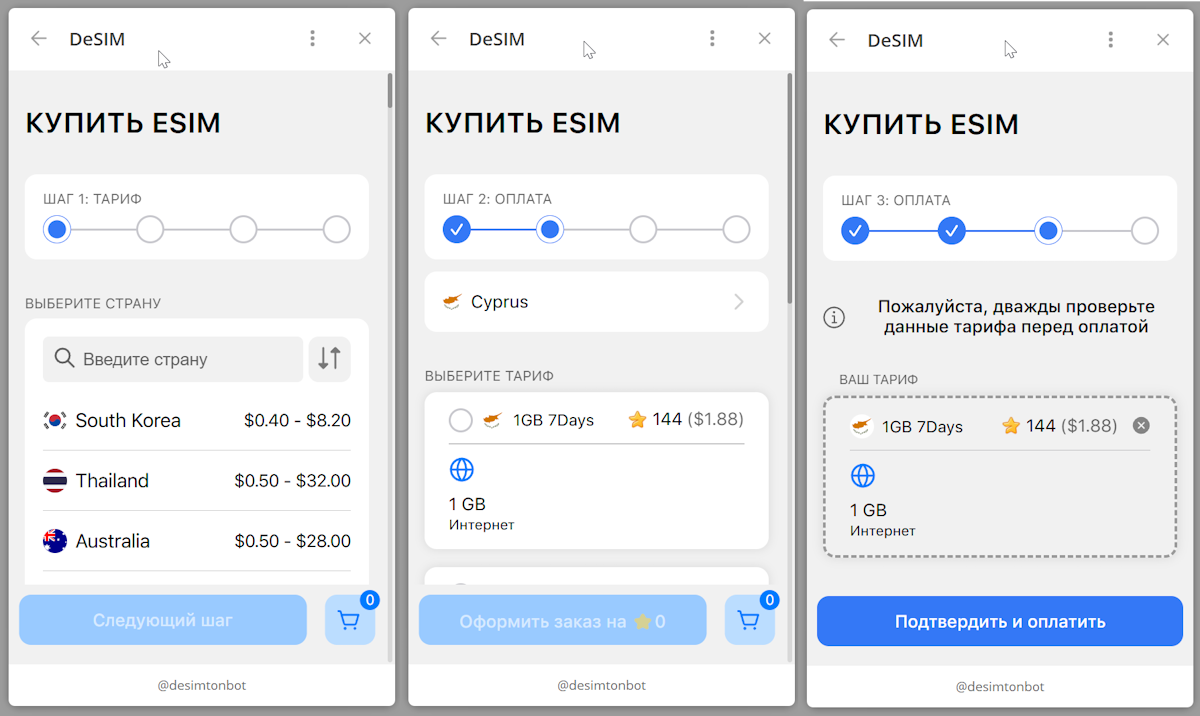
- Keep a screenshot of the QR code as a backup in case you lose signal.
- Do not leave the settings page until you see «Profile Installed» confirmed.
- Assign the eSIM as your primary data line in cellular settings after installation.
Activating the Right Plan at Your Destination
Upon arrival, activate your travel eSIM plan by turning on the eSIM line in your device settings and disabling your home carrier to avoid roaming charges. Ensure your phone is connected to local Wi-Fi first, then follow the provider’s app or QR code instructions. After activation, confirm data connectivity by opening a browser or a map app. If the plan does not auto-connect, manually select the local partner network from the carrier list. Restarting the phone often resolves delays. Test calls or texts only if your plan includes them, as some are data-only. Immediate verification prevents connectivity issues during your trip.
Switching Between Multiple Profiles During Travel
When traveling, switching between multiple eSIM profiles lets you seamlessly change carriers for better coverage. In your device’s settings, navigate to the cellular or mobile data menu, then tap the active profile to deactivate it and select another. Switching profiles mid-trip requires just a few taps once profiles are installed. Ensure you assign the correct profile for data while keeping your home line active for calls. Always label profiles clearly (e.g., “Japan Data” vs. “UK Data”) to avoid confusion. This flexibility prevents connectivity gaps—just toggle between saved plans without physical SIM swaps.
How to Choose the Best Plan for Your Itinerary
Choosing the best travel eSIM plan begins with mapping your destinations and data habits. Match your itinerary to a plan that covers every country on your route to avoid costly out-of-zone top-ups. For short, city-heavy trips, a data-only plan with 1–3 GB is sufficient, while a multi-week road trip demands unlimited or high-capacity options. Prioritize plans from providers offering instant activation and 24/7 support, as network reliability can vary.
The smartest strategy is to overestimate your daily data usage slightly, as buying a top-up mid-trip often costs more than a slightly larger plan upfront.
Finally, verify the plan’s validity period aligns with your exact travel dates, not just the number of days you intend to use data.
Short City Breaks vs. Extended Backpacking Routes
Choosing between a short city break and an extended backpacking route directly impacts your travel eSIM plan. For a whirlwind 3-day city visit, a small, high-speed data package is perfect for rapid-fire navigation, ride-hailing, and quick social media posts between landmarks. However, for a multi-week backpacking route weaving through countries, you need a large, regional data plan to reliably handle hostel bookings, offline maps for unpredictable trails, and constant communication with fellow travellers. Prioritize your connectivity duration to avoid running out of data mid-journey. Here’s a simple sequence to match your trip:
- Count your total travel days and countries.
- Estimate daily data use: city hopping needs more for streaming, while backpacking often relies on offline tools.
- Choose a plan with enough GBs or a generous data rollover for the full route.
Single Country vs. Regional Passes for Multi-Stop Trips
When planning a multi-stop trip, the choice between single country and regional passes hinges on your specific route. A regional pass is often more economical and convenient for seamless cross-border travel across neighboring countries like the Schengen area, as it bundles coverage without requiring a new eSIM at each border. However, a single country pass can be more cost-effective if your stops are geographically distant and you spend significant time in one nation. Prioritize regional passes for compact, connected itineraries; opt for single country passes when visiting a few isolated hotspots across a larger region.
| Criteria | Single Country Pass | Regional Pass |
|---|---|---|
| Best for | Isolated or scattered destinations | Clustered, neighboring countries |
| Data cost | Often cheaper per GB per country | Higher upfront cost, but overall value for multiple borders |
| Activation | Separate activation for each stop | Single activation for entire region |
Data-Only Deals vs. Plans with Local Voice Numbers
For itineraries centered on navigation and app-based messaging, data-only travel eSIM deals often provide the lowest cost per gigabyte. However, if your itinerary requires booking restaurants, contacting local transport services, or verifying two-factor authentication with banks, a plan with a local voice number becomes essential. A data-only eSIM cannot receive calls or SMS to a local area code, which many services mandate. The table below clarifies the practical trade-off:
| Feature | Data-Only Deal | Plan with Local Voice Number |
|---|---|---|
| Local SMS verification | Not possible | Supported |
| Voice calling (hotels, taxis) | VoIP only (requires data) | Native dialing |
| Average cost per day (30-day trip) | ~$1.50 | ~$4.00 |
Common Pitfalls When Using Internet-Only SIM Cards Abroad
A primary pitfall is assuming coverage matches your device; many travel eSIMs rely on specific regional networks that may be weak or absent in rural areas, so verifying compatibility beforehand is crucial. Another common error is mismanaging data activation, as some eSIMs require manual APN setup or fail to auto-connect upon arrival, leaving you offline when you most need navigation. Users often overlook that internet-only SIMs block SMS and voice calls, which can lock you out of essential two-factor authentication or bank alerts. Battery drain is another frequent issue, as maintaining a connection to distant towers forces constant signal searching, especially with dual SIM active. Forgetting to disable your primary eSIM to avoid roaming charges on your home plan is an easily avoidable yet costly oversight.
Hidden Throttling After Reaching Fair Use Limits
After consuming a travel eSIM’s data allowance, many users encounter hidden throttling after reaching fair use limits, where speeds drop to near-useless levels without explicit notification. The degradation is often progressive:
- You receive no alert when crossing the fair use threshold.
- Your connection switches from 4G/5G to unusable 128 kbps or lower.
- Bandwidth is silently prioritized against local subscribers.
This throttling bypasses typical «data exhausted» warnings because the allowance remains technically active. To avoid disruption, preemptively monitor usage within your eSIM’s portal rather than relying on the carrier’s vague «unlimited» label.
Tethering Restrictions and Hotspot Compatibility

Many travelers discover too late that their travel eSIM locks tethering, turning their phone into a useless brick for laptops or tablets. These restrictions on hotspot sharing often hide in the fine print, blocking you from creating a personal Wi-Fi zone for multiple devices. Even when a plan advertises unlimited data, compatibility with your phone’s hotspot feature can fail due to carrier-level blocks or improper APN settings. This forces you onto a single screen, defeating the purpose of a mobile office or group trip. Always confirm hotspot allowance before purchase, or pack a dedicated travel router as a workaround.
Time Zone Activation Delays and Support Response Times
Time zone differences introduce significant activation delays, as many eSIM providers process new profiles only during their local business hours; requesting activation just before your flight lands in a significantly ahead time zone can leave you without service for hours. This gap is compounded by lagging support response times, where customer service teams are offline during your peak usage window, turning a simple error into a half-day outage. The logical flow of troubleshooting breaks when you submit a ticket at 3 AM local time and receive a reply at midnight your time, requiring you to stay awake for resolution. This misalignment is the single most preventable disruption for travelers.
Time zone activation delays and support response times form a dual bottleneck: your eSIM activates on the provider’s clock while you travel on your own, and support replies when you are asleep, making proactive activation before departure essential.
Comparing eSIMs to Local Prepaid SIM Cards and Pocket WiFi
When comparing travel eSIMs to local prepaid SIM cards and pocket WiFi, the core difference lies in convenience versus cost. A travel eSIM activates instantly online, letting you keep your home number active, while local SIMs require finding a store and swapping cards. Pocket WiFi offers multi-device sharing but adds a device to charge and carry. Local SIMs often beat eSIMs on data price for a single country, but eSIMs excel for multi-destination trips by avoiding multiple purchases. Pocket WiFi usually provides high-speed data but risks higher total rental fees and signal drop-offs.
The key insight: eSIMs trade lower data rates for immediate setup and dual-SIM capability, making them ideal for short trips or multi-country itineraries, whereas local SIMs are cheaper for extended stays in one place.
Battery life is another factor; eSIMs use your phone’s battery, while pocket WiFi drains its own separate battery.
No Need to Hunt for Kiosks at the Airport
Landing in a new country, the last thing you want is to waste time locating and queuing at a mobile service kiosk. With a travel eSIM, you bypass this entirely, activating your data plan the moment you touch down or even before your flight. This instant connectivity upon arrival eliminates the stress of navigating unfamiliar terminals while lugging luggage. You never need to dig out cash for a physical SIM card or worry about kiosk operating hours after a late-night landing. Instead, you simply switch on your phone and start using maps or ride-sharing apps immediately, turning a chaotic airport arrival into a smooth transition into your destination.
By removing the need to hunt for airport kiosks, a travel eSIM provides immediate, hassle-free access to mobile data from the moment you land.
Keeping Your Primary Number Active Simultaneously
The best part about using a travel eSIM is that you can keep your primary number active for calls and texts back home without swapping SIMs. This dual-SIM setup means you receive verification codes and WhatsApp messages on your main line while using the eSIM for cheap data abroad. To activate it, first install your travel eSIM, then go to your phone’s cellular settings and designate the travel eSIM for mobile data. Keep your primary SIM selected for voice and messaging. Finally, maintain your home number for two-factor authentication by checking your settings to prevent accidental data roaming on your primary line.
- Install the travel eSIM while keeping your physical or eSIM primary number active.
- Set your travel eSIM as the default for data under cellular settings.
- Enable “SIM for calls and messaging” to your primary number.
- Disable data roaming on your primary SIM to avoid extra charges.
Security Benefits of Not Carrying a Physical Chip
Eliminating the physical SIM chip removes the risk of loss or theft of a tangible credential, which a traveler might misplace or have stolen along with their device. An eSIM is embedded and cannot be ejected or swapped by a pickpocket to hijack your mobile identity. This reduces exposure to SIM-swap attacks, where a physical card is used to bypass two-factor authentication. Because the eSIM profile remains digitally bound to your phone’s hardware and is not a removable object, your connection security is maintained even if someone briefly accesses your phone. The elimination of physical SIM theft directly fortifies account recovery and personal data protection while abroad.
Future Trends in International Mobile Connectivity
Future trends in international mobile connectivity will see travel eSIMs evolve into always-on, multi-network orchestrators. Instead of manually selecting a plan, your device will automatically switch between local carriers in real time, prioritizing speed and cost. Expect integrated AI that pre-activates connectivity upon landing, eliminating any manual setup. Q: Will travel eSIMs fully replace physical roaming? A: Yes, as network-agnostic chips in phones seamlessly stitch together local networks globally, offering unlimited, high-speed data without sim trays. This dynamic, zero-touch roaming will make borderless data feel invisible and instantaneous.
Built-In Global Solutions in New Smartphones
New smartphones now come with built-in global eSIM solutions that let travelers activate local data without touching a physical card. For example, recent models let you scan a QR code or tap an app to instantly switch to a travel eSIM from supported carriers. This means no more searching for local SIM shops or paying high roaming fees—you handle everything from your phone’s settings. Some devices even allow multiple eSIM profiles at once, so you can keep your home number active while using a local data plan. It’s truly plug-and-play for international trips.
| Built-In Feature | Travel Benefit |
|---|---|
| Pre-loaded eSIM manager | Instantly add a travel eSIM without physical cards |
| Multi-profile support | Keep home line active while using local data |
Integration with Smart Luggage and Wearables
Travel eSIMs will transform how your carry-on interacts with global networks, enabling real-time luggage tracking without local SIM swaps. Your smart suitcase can autonomously ping its location via embedded eSIM profiles, while a wearable like a smartwatch receives push alerts if your bag is misrouted. The same eSIM plan powers route updates to your luggage’s lock and health diagnostics from your fitness band, all through a single, flexible data pool. Forget hunting for airport Wi-Fi: your devices stay constantly connected, ensuring bags sync seamlessly with your itinerary and you receive instant theft or delay notifications on your wrist.
Regulatory Changes Impacting Roaming Costs
Regulatory shifts are directly redefining how travelers pay for data. The EU’s «Roam Like at Home» model, which abolished intra-zone surcharges, is pressuring other regions to adopt similar caps, thereby lowering the ceiling for travel eSIM roaming costs. Simultaneously, new transparency mandates require providers to disclose out-of-zone rates before a user connects, preventing bill shock. These rules compress the price gap between legacy carrier plans and eSIM platforms, making the latter less of a bargain in regulated zones.
Q: How do new transparency rules affect my eSIM purchases?
A: They force eSIM providers to clearly display any additional surcharge for crossing a regulatory border, so you can compare total cost before buying a data package.
What Exactly Is a Travel SIM Card for Your Phone?
How a digital SIM differs from a physical plastic card
Which devices support this embedded technology
Why it is designed specifically for international trips
How Does an International Data eSIM Work in Practice?
The simple activation process when you land
How it connects to local networks abroad
Why you keep your home number active during the trip
What Are the Key Benefits of Using a Portable eSIM While Traveling?
No need to hunt for local SIM vendors at the airport
Instant connectivity the moment you arrive in a new country
Ability to manage multiple data plans for different destinations
