

The Allure of Casinos
Casinos have a magnetic appeal that draws individuals from all walks of life, promising the thrill of winning and the excitement of entertainment. The atmosphere is often electric, filled with the sounds of spinning wheels and ringing slots, making it an enticing escape from daily routines. Many people find themselves exploring options like neosurf casino , which can lead them to visit casinos more frequently than they initially intended, with the excitement often overshadowing the potential financial pitfalls. While the immediate allure is hard to resist, it is essential to consider the underlying costs associated with these visits.
Many individuals view casino trips as a form of entertainment akin to going to a concert or dining out, yet the financial implications can be vastly different. The budgeting for such outings often fails to account for expenses beyond mere gaming, such as dining, beverages, and transportation. For instance, a night out at the casino may not only involve gambling, but also indulging in luxurious meals or drinks, which can significantly inflate the overall expenditure. These additional costs, when accumulated over numerous visits, can lead to a considerable drain on an individual’s finances.
Moreover, the psychological aspect of gambling can exacerbate the expenses incurred during casino visits. The thrill of winning can create a false sense of security, leading players to wager more than they can afford. This cycle can spiral quickly as players chase losses or ride high on temporary wins, ultimately impacting their financial health. Understanding the allure of casinos is crucial in recognizing the hidden costs that may not be immediately apparent during the initial visit.
Understanding the Financial Impact
Frequent visits to casinos can have significant financial implications that extend beyond just the money spent on gambling. Many players overlook the long-term costs associated with their visits. This includes not only the amount wagered but also the potential losses that can occur over time. For some, what may start as a recreational hobby can transform into a compulsive behavior, leading to substantial financial strain. For instance, individuals might find themselves withdrawing more money or using credit to fund their gambling sessions, leading to mounting debts.
Additionally, the structure of casinos often encourages players to spend more than they initially planned. With the availability of complimentary drinks, lavish entertainment, and promotions that entice players to stay longer, the casino’s environment is specifically designed to elicit increased spending. In this context, players may lose track of their bankroll and the original budget they set, leading to unanticipated financial downturns. The lack of self-awareness in such situations can prove detrimental in the long term.

Moreover, the costs associated with frequent casino visits go beyond immediate monetary losses; they can also lead to indirect expenses, such as increased stress and distractions from work or relationships. Many individuals may not account for these emotional costs, which can manifest in various ways, including anxiety, strained friendships, or diminished productivity. Being aware of these hidden financial impacts is vital in fostering responsible gambling habits and ensuring a balanced approach to entertainment.
The Hidden Costs of Time
Time is another critical factor often overlooked when discussing the costs of frequent casino visits. A casino trip can easily stretch far beyond the initial time commitment, leading to lost hours that could be spent on more productive activities. Individuals sometimes underestimate how long they will remain at a casino, especially when engrossed in games or socializing. This loss of time can lead to decreased productivity in professional and personal spheres, impacting long-term goals and responsibilities.
Furthermore, the time spent at a casino could detract from opportunities for personal development and healthier forms of entertainment. For individuals who find themselves regularly visiting casinos, valuable hours could be better spent engaging in hobbies, pursuing education, or nurturing relationships with family and friends. Losing track of time in a stimulating environment can create a cycle of neglect concerning other aspects of life, which may lead to feelings of regret or dissatisfaction later on.
Moreover, the accumulative effect of frequent casino visits can alter one’s perception of time altogether. The thrill of gaming and the social atmosphere can make the hours feel inconsequential, leading players to rationalize their extended stays. However, as time lost begins to pile up, individuals might later reflect on their choices and the time they sacrificed, realizing the hidden costs that stem from their recreational activities. This realization is essential for maintaining a balanced and fulfilling lifestyle amidst the risks associated with gambling.
The Emotional Toll of Gambling
The emotional cost of frequent gambling is perhaps one of the most significant yet often unacknowledged aspects of casino visits. Individuals may initially perceive the experience as purely recreational, but as losses accumulate, feelings of frustration, stress, and guilt can surface. The emotional rollercoaster of winning and losing can take a toll on mental health, leading to heightened anxiety levels and a skewed perspective on success and failure in everyday life.
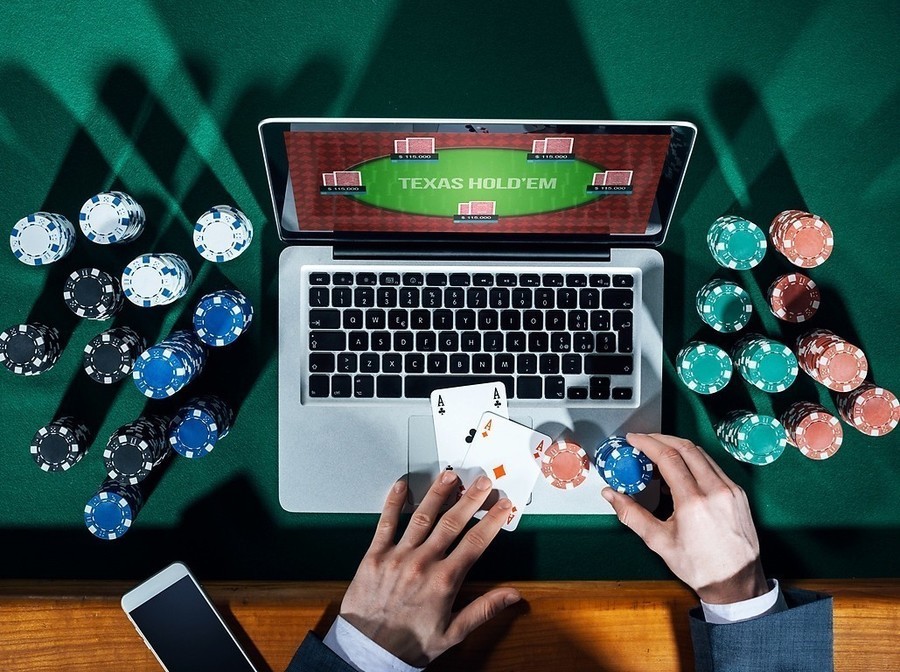
Additionally, the social implications of consistent gambling can play a substantial role in an individual’s emotional well-being. Frequent visitors may prioritize casino outings over important family events or social gatherings, leading to strained relationships. Friends and family may express concern or disappointment, and this disconnection can contribute to feelings of isolation and loneliness. A lack of social support can exacerbate emotional issues, making it crucial to be aware of the broader implications of one’s gambling habits.
Recognizing the emotional toll of frequent casino visits is essential in fostering healthy gaming habits. Seeking help or establishing boundaries can mitigate the risks associated with gambling. Those who may find themselves overwhelmed by negative emotions must address these feelings proactively, whether through support networks or professional help. Being conscious of one’s emotional state and its relationship with gambling can significantly alter the trajectory of an individual’s gaming experience.
Responsible Gambling and Awareness
In light of the hidden costs associated with frequent casino visits, fostering a culture of responsible gambling is essential. Awareness of personal limits, setting budgets, and recognizing when to walk away can play a pivotal role in preventing the adverse effects of gambling. Individuals who adopt a proactive approach towards their gaming habits are more likely to enjoy the entertainment aspect of casinos without succumbing to the hidden financial and emotional costs that can arise.
Establishing clear boundaries regarding time and money spent at casinos can help individuals maintain a balanced approach to gambling. Setting a budget for each visit, along with a predetermined amount of time to spend at the casino, can enhance the overall experience while preventing excessive losses. Techniques such as self-exclusion programs or seeking support from gambling groups can also foster healthier habits and provide individuals with the resources needed to keep their gambling in check.
Ultimately, a responsible approach to gambling can transform visits to casinos into enjoyable and safe experiences. By educating oneself about the hidden costs associated with frequent visits, individuals can create healthier relationships with gambling. This newfound awareness can pave the way for a more enriching experience, ensuring that entertainment remains enjoyable rather than burdensome, and maintaining a sense of balance in life.