

The Allure of Gambling
The fascination with casinos often begins with the thrill of gambling, which is designed to be exhilarating and captivating. The sounds of slot machines, the gleam of chips, and the vibrant atmosphere create an intoxicating environment that draws people in. This sensory overload can trigger adrenaline and excitement, engaging the brain’s reward system, which seeks out pleasurable experiences. For those interested in trying their luck, online pokies new zealand provides a convenient way to enjoy the games. As individuals indulge in gambling, they begin to associate the casino environment with moments of joy and celebration, reinforcing their desire to return. This combination of sensory stimulation and emotional connection makes it difficult for many to resist the lure of casinos.
Addiction can stem from the psychological reinforcement of winning, where intermittent rewards entice gamblers to keep playing. The excitement of a surprise win can create a powerful urge to continue gambling, as individuals believe they might replicate that success. This phenomenon is similar to how some become hooked on social media or video games, where unpredictable outcomes heighten excitement. The chance to win large sums of money from a small initial investment adds to the allure, creating an environment where hope and desire intertwine with the experience of gambling.
However, the initial excitement can quickly turn into a cycle of craving and despair. Many individuals may enter a casino intending to enjoy a fun evening but end up caught in a spiral of chasing losses. This leads to more time spent at the casino as they seek to recoup their losses, ultimately resulting in financial hardship and emotional distress. The compulsion to gamble often overrides rational thinking, making it difficult for individuals to step away even when they know they should, which further entrenches their addiction.
Psychological Factors Contributing to Addiction
Psychological factors play a critical role in why some individuals become addicted to casinos. Cognitive biases, such as the illusion of control, can lead gamblers to believe they have a greater influence over the outcome of games than they actually do. This mindset can be particularly potent in games that require skill, such as poker or blackjack, where players may convince themselves that their strategies will lead to success, even when luck is often a significant factor. This false sense of control can lead to reckless gambling behavior, as individuals persist in their belief that they can beat the odds.
Furthermore, individuals with underlying mental health issues, such as anxiety or depression, may find temporary relief in gambling. The casino environment distracts them from their struggles, providing an escape that can be difficult to resist. However, this relief is often short-lived, and the return to reality can lead to further gambling as a coping mechanism, creating a vicious cycle of addiction. The gambling experience can become a maladaptive way of dealing with emotional pain, making it harder for individuals to seek healthier coping strategies.
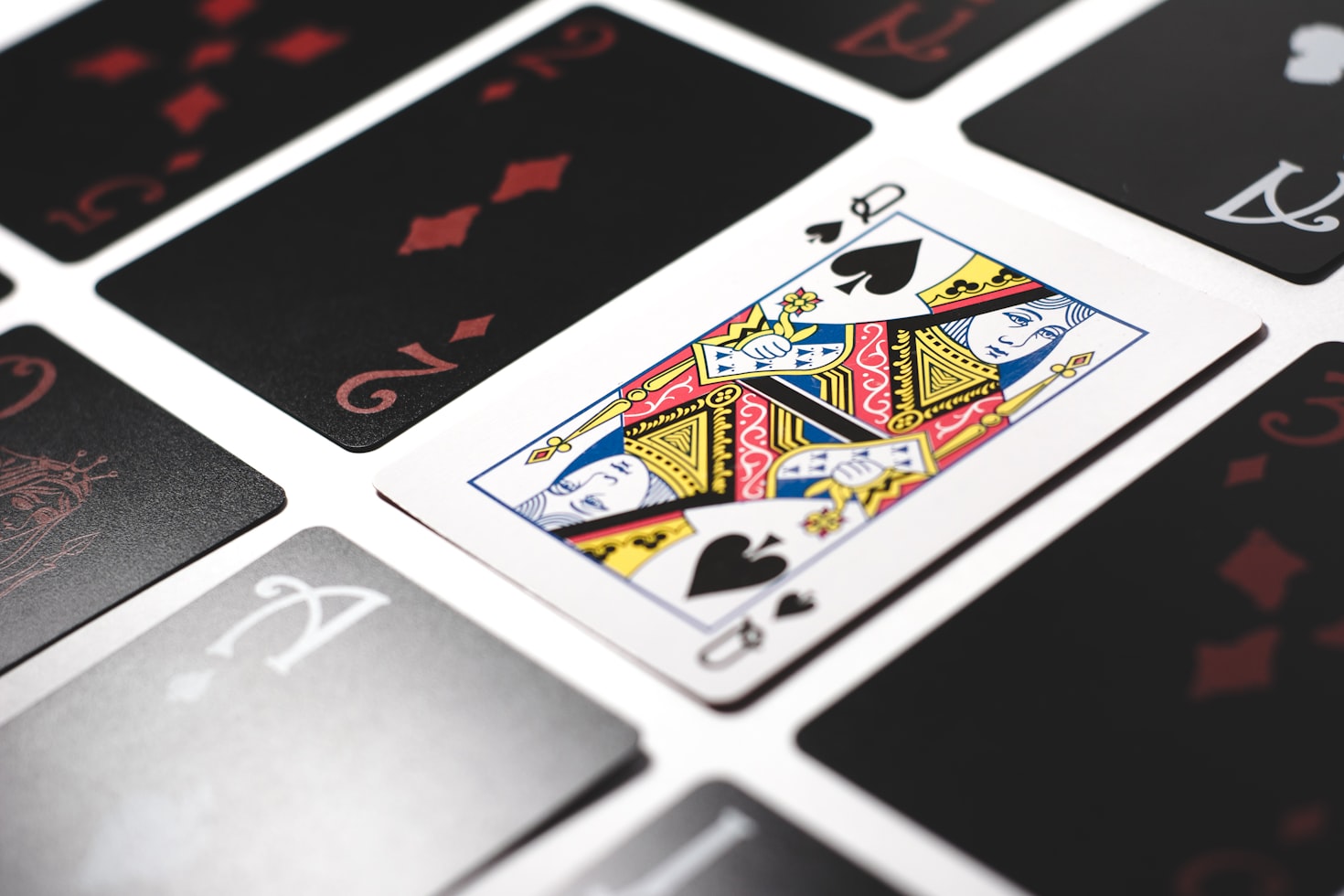
Additionally, social factors also contribute to gambling addiction. A peer group that normalizes or even encourages gambling can intensify an individual’s behavior, reinforcing the belief that gambling is an acceptable form of entertainment. Social gatherings at casinos can further normalize the behavior, leading to an environment where individuals feel pressure to gamble to fit in or have fun. This social reinforcement can make it more challenging for individuals to recognize their addiction, as it becomes intertwined with their social life, making the prospect of quitting even more daunting.
The Role of Marketing and Casino Design
The design of casinos and their marketing strategies are meticulously crafted to encourage spending and prolong visits. Casinos often use bright lights, inviting colors, and alluring sounds to create an atmosphere intended to entice visitors. The layout of casinos is designed to be confusing, preventing players from easily finding exits and encouraging them to stay longer. This design strategy maximizes the time individuals spend gambling, increasing the likelihood of losses and continued play. The environment is engineered to create a sense of comfort and excitement, making it easy to lose track of time.
Additionally, marketing campaigns target specific demographics to create an enticing image of gambling as glamorous and thrilling. Promotions and loyalty programs entice players to return frequently by offering discounts, free plays, or complimentary services. These marketing techniques often prey on vulnerable individuals, magnifying their feelings of excitement and urgency to participate, even if it compromises their financial stability. The allure of exclusive offers can lead individuals to believe that they are getting something for nothing, further fueling their gambling behavior.
Moreover, the emergence of online casinos has expanded access to gambling, making it easier for individuals to indulge without the social constraints of a physical location. With the ability to gamble from the comfort of home, many are drawn to the convenience and anonymity that online platforms provide. This increased accessibility can exacerbate addiction, as individuals can quickly lose track of time and money while gambling online, further blurring the lines between entertainment and harmful behavior. The ease of access has made it more challenging for individuals to set limits on their gambling activities.
The Consequences of Casino Addiction
The consequences of casino addiction can be devastating, both for individuals and their loved ones. Financially, many individuals experience significant losses, leading to debt that can take years to recover from. This financial strain often manifests in negative consequences such as bankruptcy, loss of savings, and an inability to meet basic financial obligations. In many cases, individuals may resort to borrowing money or engaging in dishonest behavior to fund their gambling habit, perpetuating a cycle of deceit and financial desperation. The impact on their financial health can lead to chronic stress and anxiety.

Emotionally, the impact of gambling addiction can lead to significant distress. Individuals often experience feelings of guilt, shame, and anxiety as they grapple with their inability to control their gambling behavior. Relationships with family and friends may deteriorate as trust erodes and communication breaks down. Loved ones often bear the brunt of the fallout, experiencing emotional pain and confusion as they navigate the challenges of supporting someone with an addiction. This emotional fallout can lead to isolation and increasing despair for both the gambler and their loved ones.
Moreover, mental health consequences can become severe, with many individuals experiencing increased rates of depression and anxiety. The emotional toll of gambling addiction can lead to a sense of hopelessness, resulting in thoughts of self-harm or suicidal ideation. It is crucial to seek professional help when gambling behaviors spiral out of control, as intervention can be vital in breaking the cycle of addiction and restoring a sense of balance in life. Recognizing the severity of the situation is often the first step toward recovery.
Resources for Support and Recovery
Finding support is crucial for individuals battling casino addiction, and numerous resources are available to assist them on their recovery journey. Professional counseling and therapy can help individuals understand the root causes of their addiction, equipping them with coping strategies to manage cravings and develop healthier behaviors. Many treatment centers specialize in gambling addiction, offering tailored programs to address the unique challenges these individuals face. Personalized approaches can significantly increase the chances of successful recovery.
In addition to professional support, self-help groups such as Gamblers Anonymous provide a community of support where individuals can share their experiences and learn from others who understand their struggles. These groups foster a sense of accountability and connection, making it easier for individuals to commit to their recovery journey. Many participants find solace in knowing they are not alone in their battles and benefit from the shared wisdom of others who have faced similar challenges. The collective experience can serve as a powerful motivator for change.
Moreover, family therapy can be instrumental in healing relationships that may have suffered due to gambling addiction. Involving loved ones in the recovery process allows for open communication and the opportunity to rebuild trust. This dynamic approach emphasizes the importance of a supportive environment in fostering long-term recovery and resilience against relapse. By working together, families can create a healthier dynamic that encourages recovery and understanding among all members involved.